
reflection/theory/practice/integration
Participating in the Royal Canadian Institute of Science February 2026 conference “RE:SciComm: Re:framing, Re:building and Re:igniting how we talk about science” was inspiring! Our panel focussed on Bridging Languages and Cultures. I learned a lot from our panel organizer Parshati Patel and co-panelists Siddharth Kankaria, Roopali Chaudhary, and Alexia Ostolenk. Thank you!
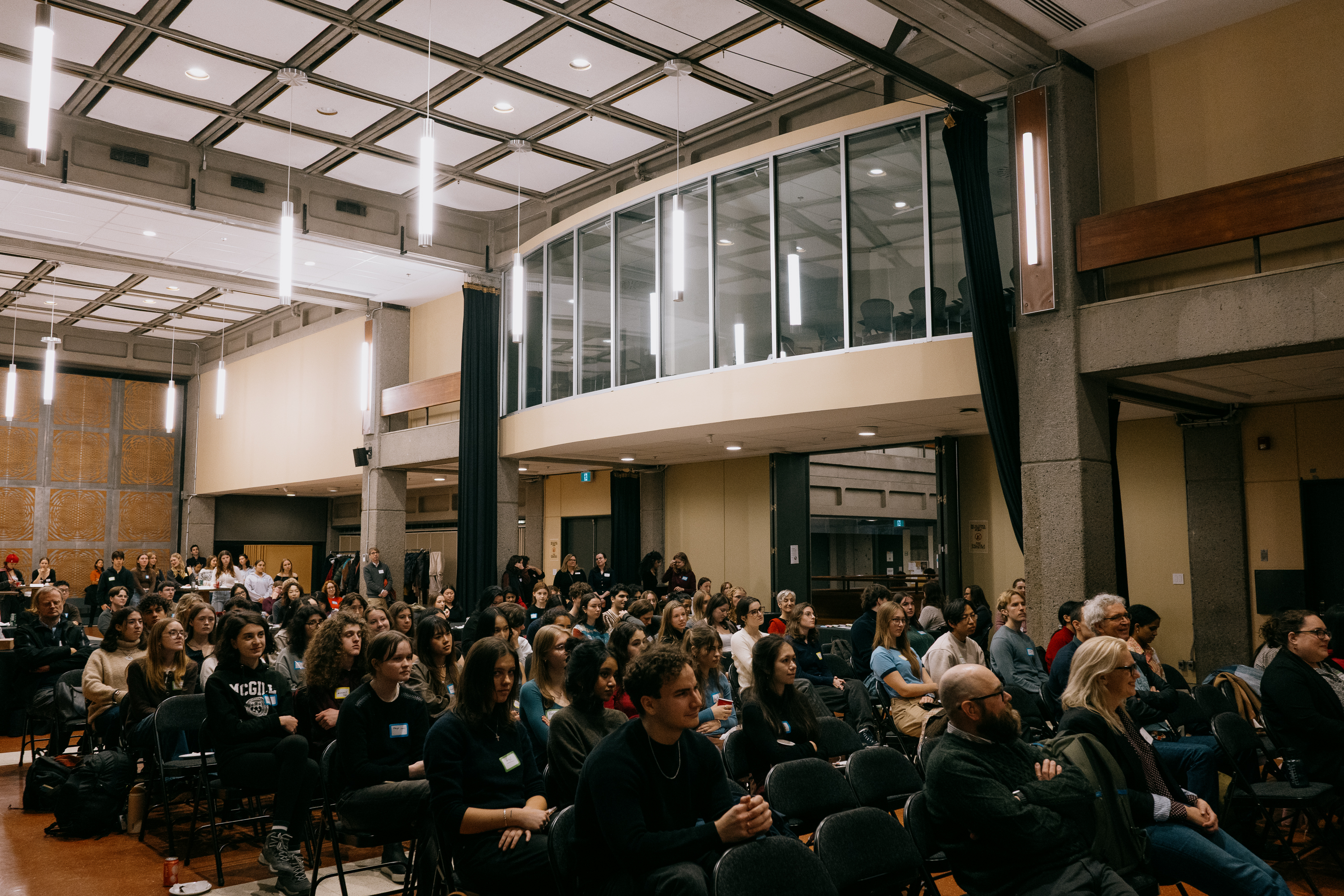
In November 2025, we celebrated 20 years of McGill University’s Bachelor of Arts and Science degree with a community event that brought together current students, alumni, and faculty members.
Fighting climate change together: FSCI 198 encourages students to take a proactive, collaborative approach to finding climate solutions by Ania Szneps in the McGill Reporter, March 2025.
Delighted to be appointed Director of the Bachelor of Arts and Science degree at McGill University, beginning January 2025. I look forward to working with these very impressive students!

A ‘river of experience’: How many ways of knowing feed a course on the climate crisis and actions September 2024 in The Conversation. Happy to have this article out in the world! Thank you to colleague and lead author Natalya Gomez for making it happen.
How has your name been mispronounced?
Great to return to Radio Noon Quebec in June 2024 with host Shawn Apel.
When sharing scientific results, why not share the names of the researchers?
Wonderful to be part of the Canadian Society for the Study of Names Conference again in June 2024! Faith Ruetas and I co-presented this work.
Drawing on recent work at the intersection of science communication and onomastics, our study examines trends in the ways that researchers’ work is affiliated to them in the science explainers published in major North American news sources (including CBC, The Globe and Mail, CNN, The Atlantic, National Geographic). Using data analysis methods from digital humanities we analyze a database of 900+ science explainers and describe trends and differences in the ways that researchers are named. We also make recommendations for more equitable attributions.
“Empowering Faculty for Inclusive STEM Instruction: Insights from a University Initiative.”
My first time participating in the annual Supporting Active Learning & Technological Innovation in Studies of Education (SALTISE) conference in June 2024! Victoria Marie Glynn, Charlene Lewis-Sutherland, and Andrea Miller-Nesbitt co-presented our work.
A supportive community is essential for fostering equity, diversity, and inclusion in university classrooms. Navigating departmental hierarchies, as well as knowing where to begin can hinder meaningful action. McGill University’s Faculty of Science Inclusive Teaching Initiative addresses these challenges by providing a platform for instructors to exchange ideas while building on existing practices and areas of interest. We will outline the initiative, highlight participants’ strategies to enhance classroom inclusivity, and reflect on key insights gained.
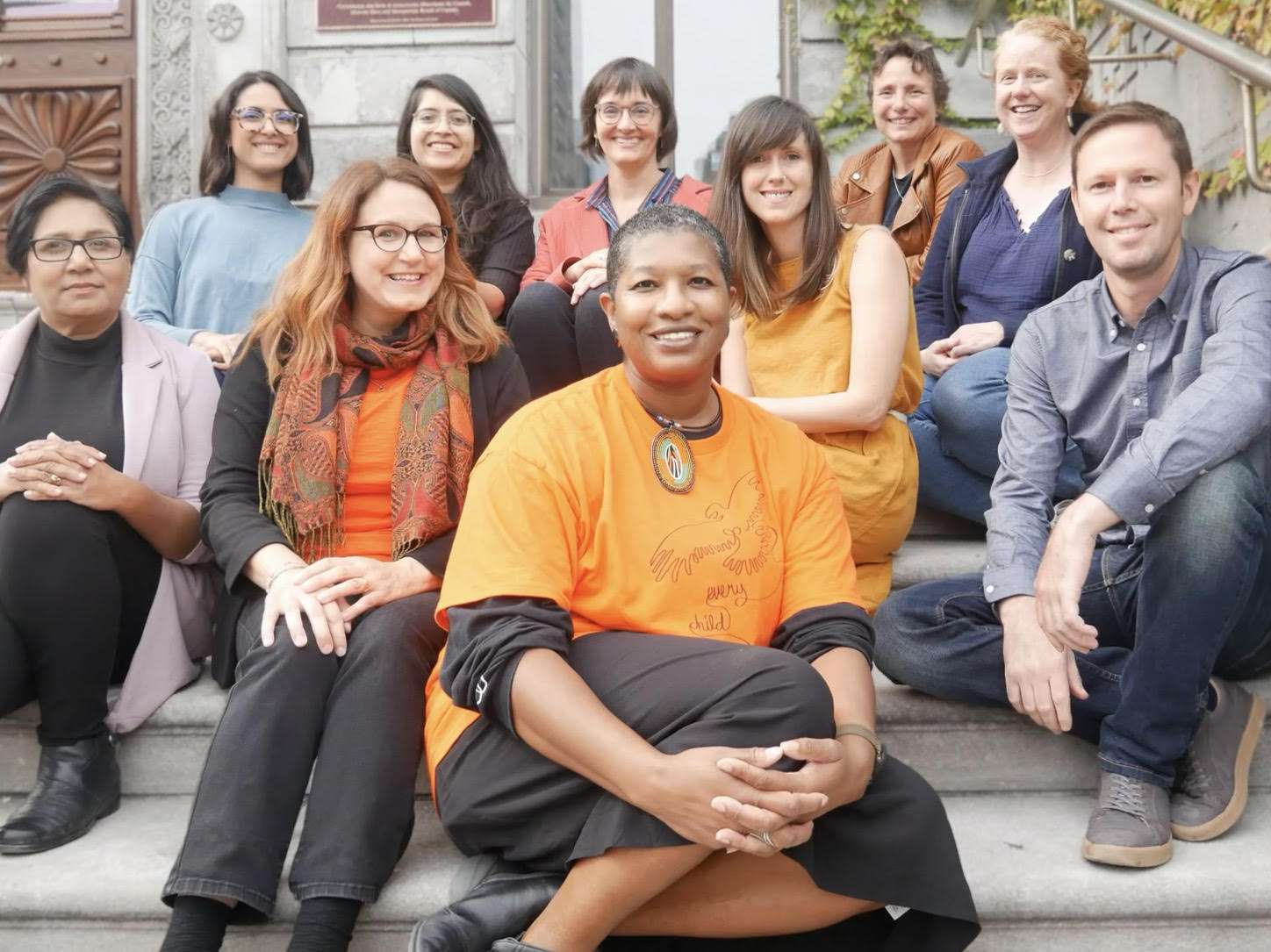
More about this network here: Lessons learned from the inaugural Inclusive Teaching Initiative – McGill Reporter
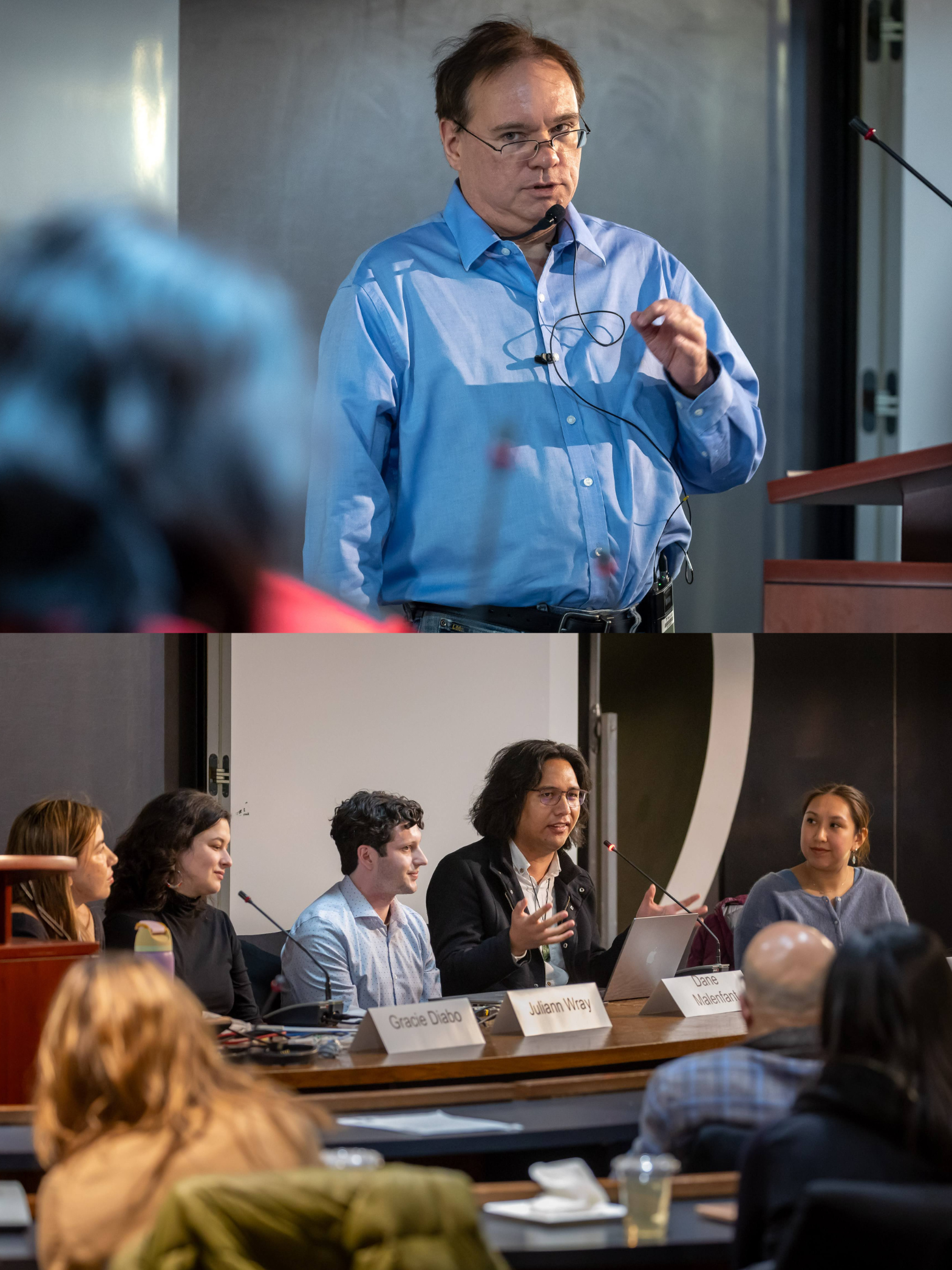
Celebrating International Pi Day with the Office of Indigenous Initiatives (March 2024)
Proud to have contributed to this event by helping organize and facilitate the panel of Indigenous students in STEM who shared their experiences and insights. I learned so much from Prof. Edward Doolittle, as well!
Can hopeful moments lead to hopeful futures?
Never before have I participated in a conference panel of people who connected so well and then created an output from the experience! But for Montreal 2140, we did it!
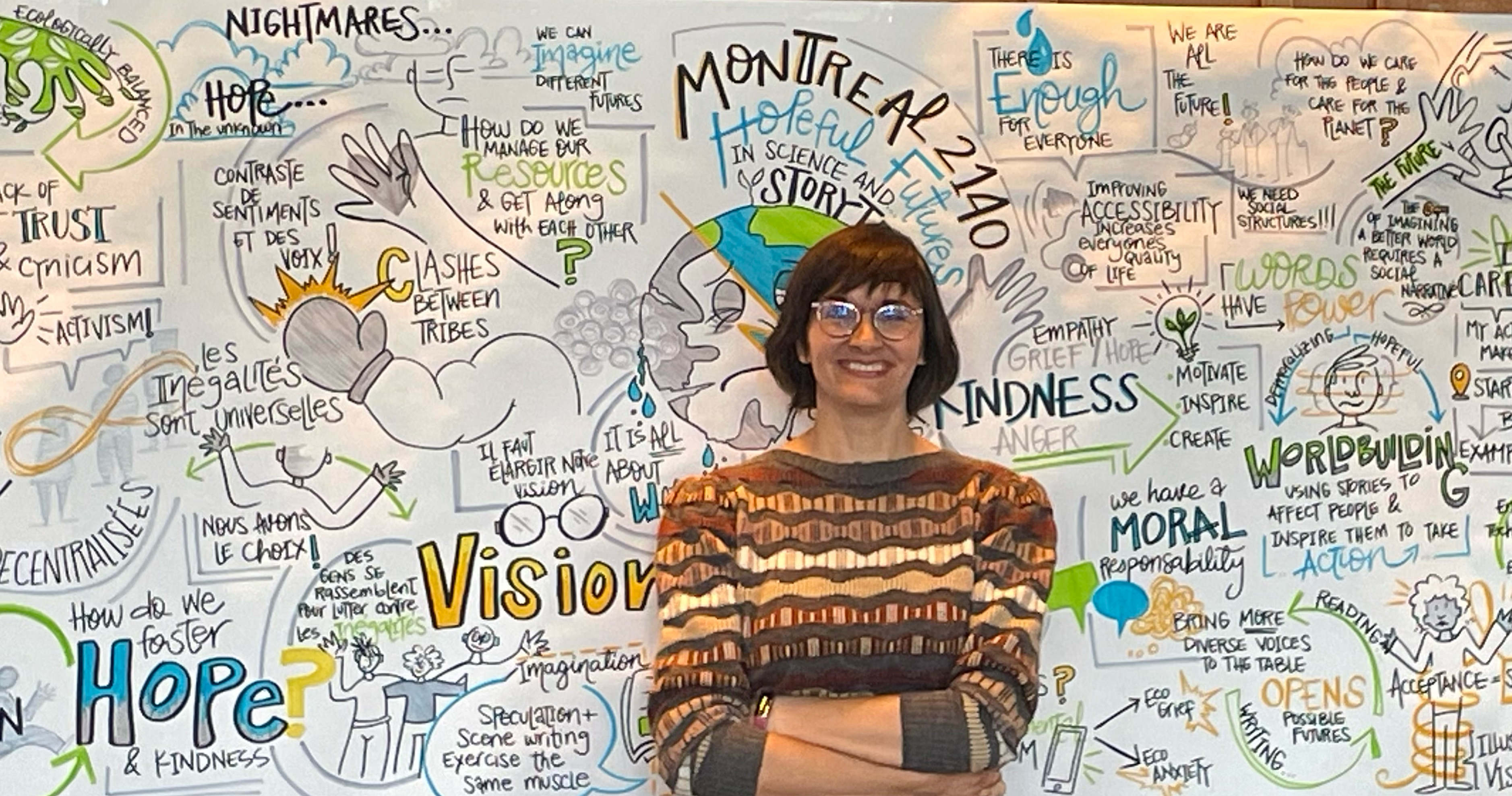
Science, storytelling, and stepping up: Conference highlights hope about the climate crisis.
It was great to be interviewed by Tribune reporter Helen Griffiths-Barnhart during Montreal 2140.
Écoanxiété: redonner espoir aux jeunes grâce au savoir. (Septeber 2023)
Fun to be interviewed by Le Devoir about the climate action course!
Teaching hope during the climate crisis. (March 2023)
About the first run of the climate action course!
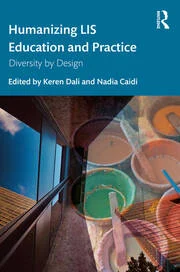
Excited to contribute a chapter called Designing for a diverse classroom to Humanizing LIS Education and Practice: Diversity by Design, edited by Keren Dali and Nadia Caidi. (Routledge, October 2020)
Delighted to contribute an essay to Jacqueline Hoàng Nguyễn’s exhibit Untitled (Entitled) showing at Trinity Square Video from November 8 – December 14, 2019. (The gif below is from the exhibit.)

The Guardian Paves The Way For Canadian Media To Be More Blunt About The Climate Crisis
Quoted in Audrey Carleton’s July 2019 Canadaland article!
How do you feel about your first name?
Went live on-air as the name specialist for CBC Radio Noon Montreal’s May 2019 show
How a 20-year-old Indigenous athlete got McGill University to dump the name of its sports teams (April 2019)
May the Redbirds thrive!
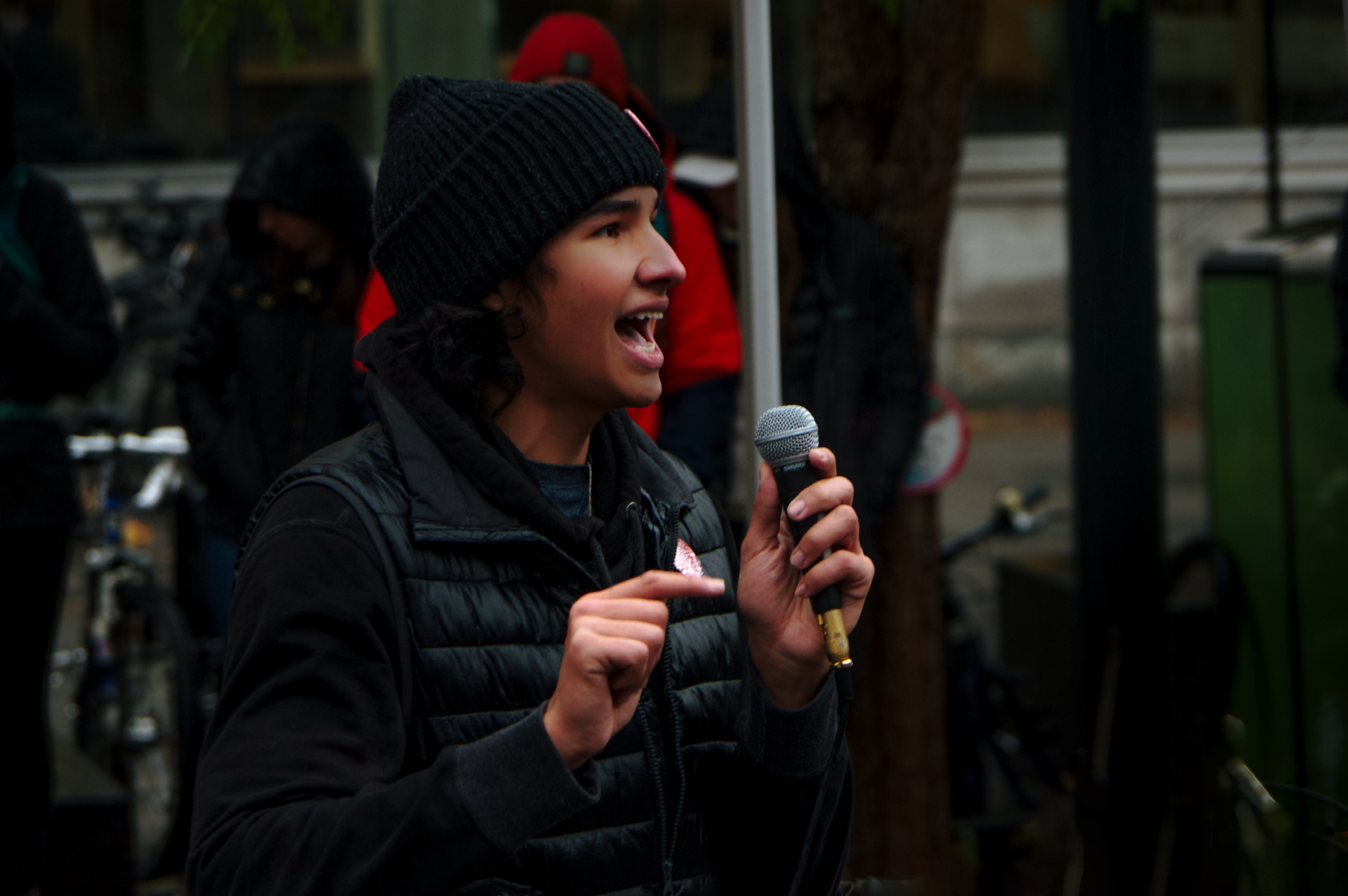
In 2015, I completed my dissertation on names, then graduated, and became a teaching-stream professor at McGill University!
It was all worth it! And I am so grateful to everyone who helped me along the way.
Why Do Some Employers Prefer to Interview Matthew, but Not Samir? New Evidence from Toronto, Montreal, and Vancouver Co-written with Philip Oreopolous in 2010 as a follow-up to his original name discrimination findings in Toronto.
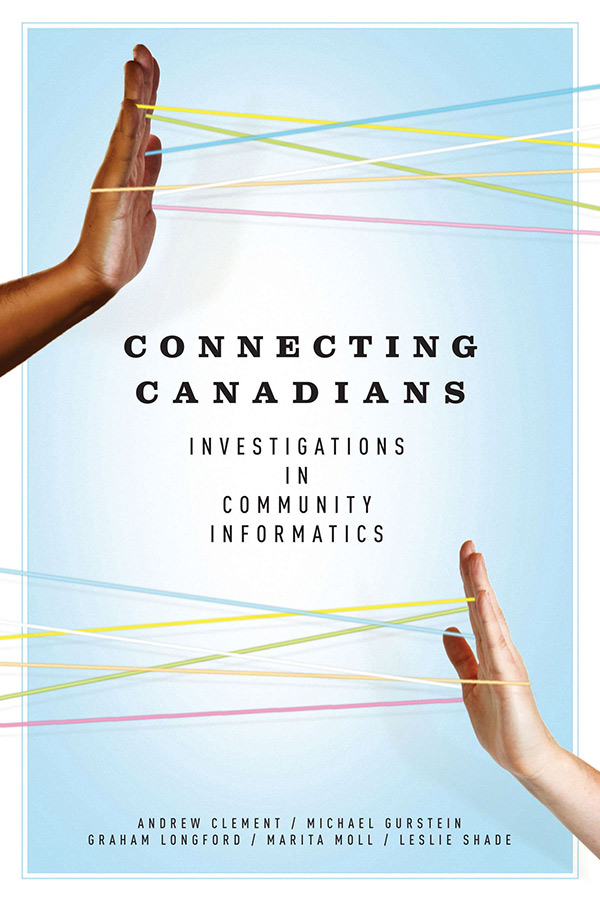
A book chapter based on my master’s thesis! “Vancouver Community Network as a site of Digital and Social Inclusion” in Connecting Canadians: Investigations in Community Informatics, edited by Andrew Clement, Michael Gurstein, Graham Longford, Leslie Shade & Marita Moll. (University of Athabasca Press, 2012)
“Enabling Communities in the Networked City: ICTs and Civic Participation Among Immigrants and Youth in Urban Canada” in Augmented Urban Spaces, Co-written with Graham Longford, Alison Powell and Kenneth Werbin. Book editors Alessandro Aurigi and Fiorella de Cindio. (Ashgate, 2008)
First academic chapter! Co-written with Leslie Shade: “Canada’s SchoolNet: Wiring Up Schools?” in E-Learning and Democracy: Critical Perspectives on the Promise of Global Distance Education. Book editor: Alison Carr-Chellman. (Sage Publications, 2005)
~

